Content note: this post mentions racial violence, including lynchings.
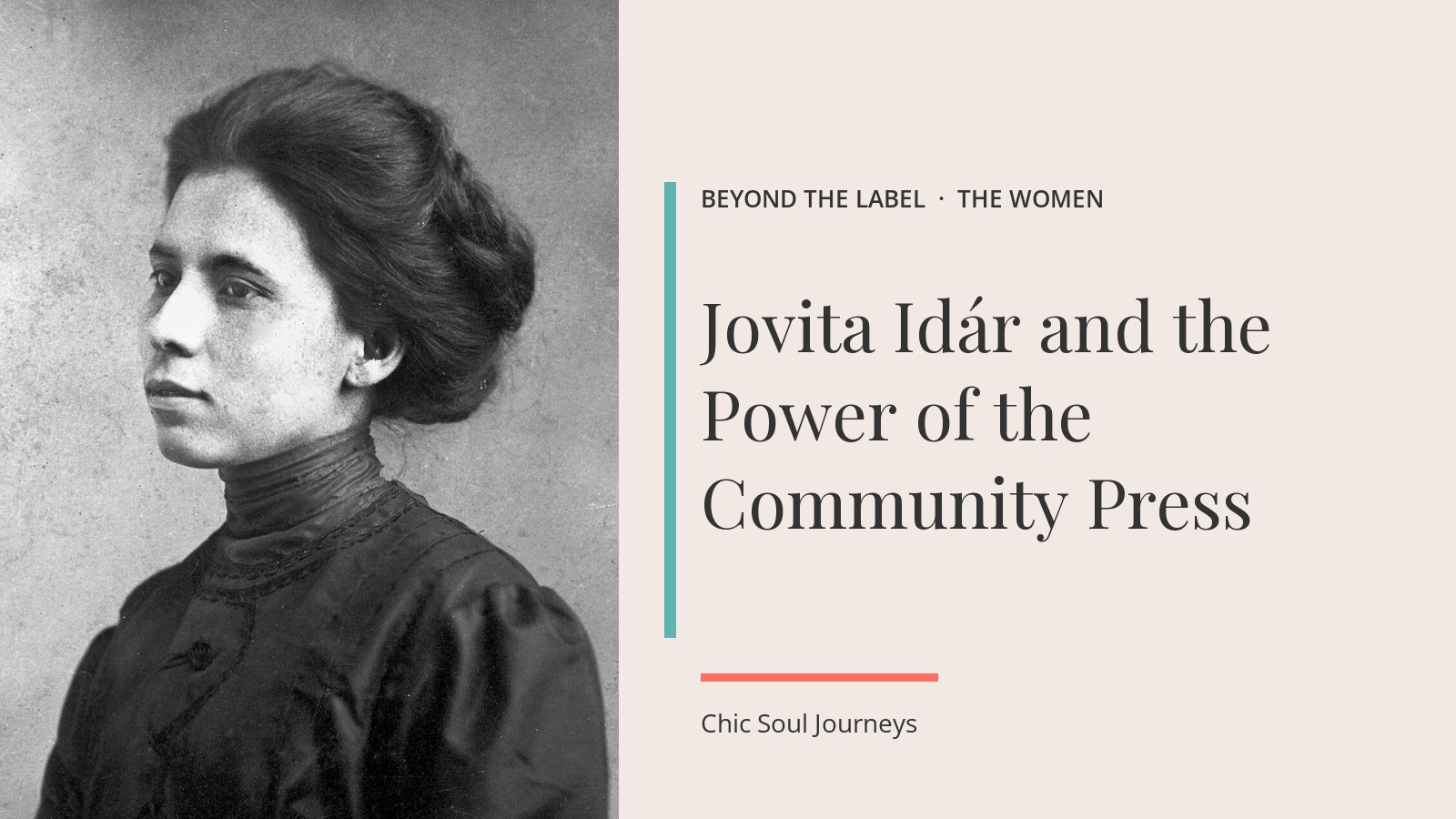
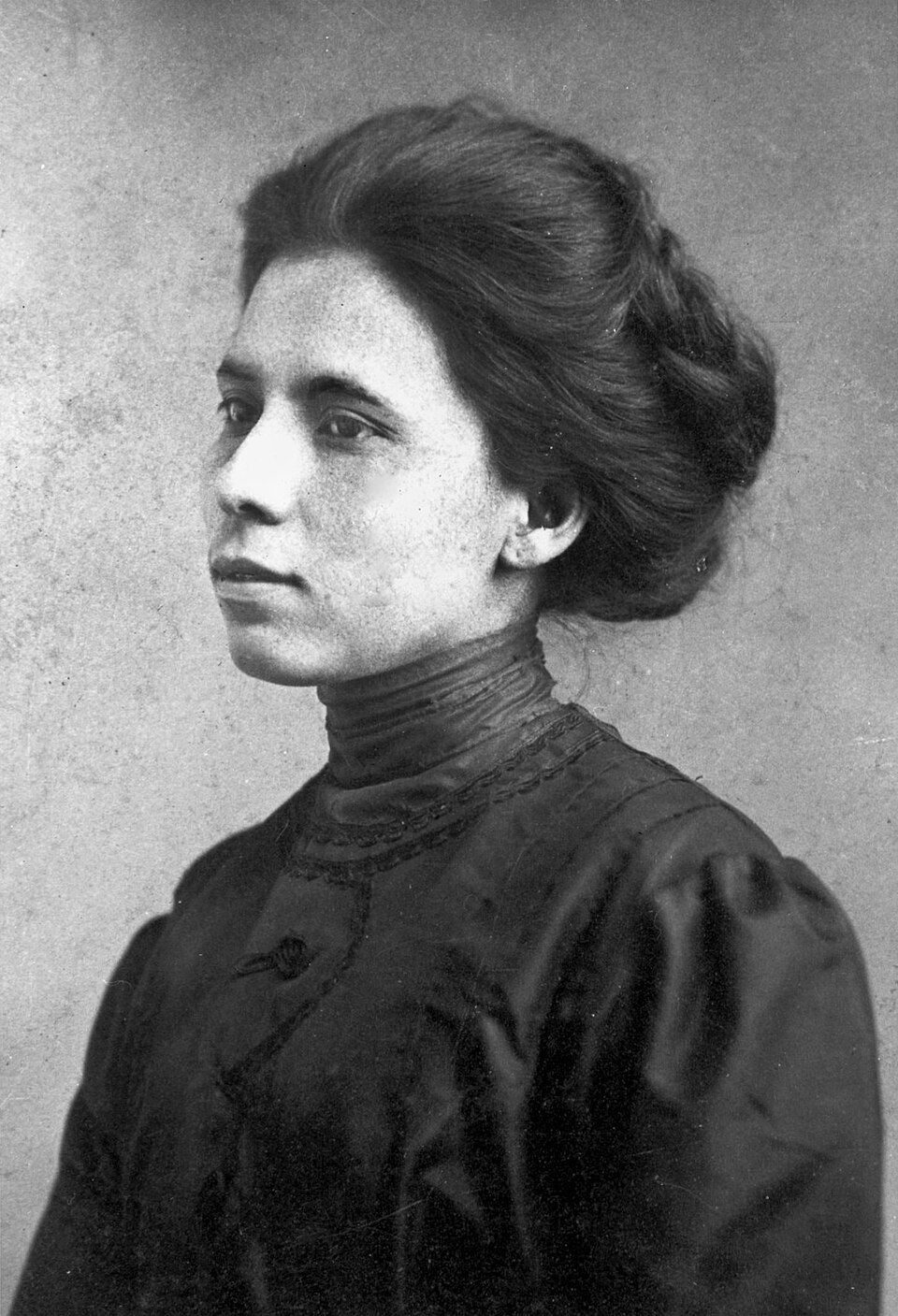
In 1903, Jovita Idár earned a teaching certificate. The National Women’s History Museum says she began teaching but “soon resigned due to the segregation and poor conditions for Mexican-American students.” The Handbook of Texas says she then “resigned and joined two of her brothers as writers for her father’s weekly newspaper,” La Crónica, in Laredo, Texas, where she was born on September 7, 1885.
La Crónica and the Community Press
In 1910 and 1911, La Crónica actively criticized certain aspects of Hispanic-Anglo relations. The National Park Service writes that Idár “was outraged by the dilapidated buildings and lack of resources for students,” and that “these experiences and the lynching of Mexican American men inspired her to fight for her community.”
A translation of her La Crónica article “For the Race: Mexican Children in Texas,” quoted on blurredbylines.com, reads: “Mexican children in Texas need an education. There is no other means to do it but ourselves, so that we are not devalued and humiliated by the strangers who surround us.”
In 1911, the Handbook of Texas says, Idár published a pro-woman suffrage piece in La Crónica.
A Congress
The Handbook of Texas records that her father, Nicasio Idar, and his family organized a conference in Laredo to address racial discrimination on September 14-22, 1911. Women participated as speakers and participants; for some it was their first political meeting. The Handbook of Texas records that this congress has been called the first attempt in Mexican-American history to organize a militant feminist movement.
The National Women’s History Museum dates the League of Mexican Women to October 1911. The Handbook of Texas says Jovita Idár became the League’s first president and organized its principal effort, “to provide education.”
Running the Paper
Her father died in his family home in Laredo on April 7, 1914. According to the National Women’s History Museum, Idár soon started running the newspaper when her father passed away.
She and her brother Eduardo later formed another newspaper, Evolución. They continued to advocate publicly through their press the importance of women’s rights in politics.
The National Women’s History Museum calls her a Mexican-American journalist, activist, and suffragist; Humanities Texas describes her as an educated Tejana who felt duty-bound to promote civil rights.
The Handbook of Texas records that she died from tuberculosis at her home in San Antonio in June 1946.
Which part of her work stays with you? Comment below, or tell me what you would add. I’d genuinely love to know.
Leave a Reply
You must be logged in to post a comment.